Solar Panels and Battery Storage UK 2026: A Smarter Way to Power Your Home
Solar energy is changing the way British households manage electricity. In 2026, homeowners are looking beyond traditional rooftop panels and exploring smarter energy systems that combine solar generation, battery storage and intelligent energy management.
Installing solar panels and battery storage in the UK can help households make better use of renewable electricity, reduce their dependence on grid electricity and gain greater control over when they use energy. But how do these technologies work together, and what should homeowners consider before installing them?
Why Are More UK Homeowners Choosing Solar and Battery Storage?
Traditional solar panel systems generate electricity during daylight hours. When a household produces more electricity than it needs, the surplus can be exported to the grid. However, many households use a significant amount of electricity in the evening, when solar panels are no longer generating power.
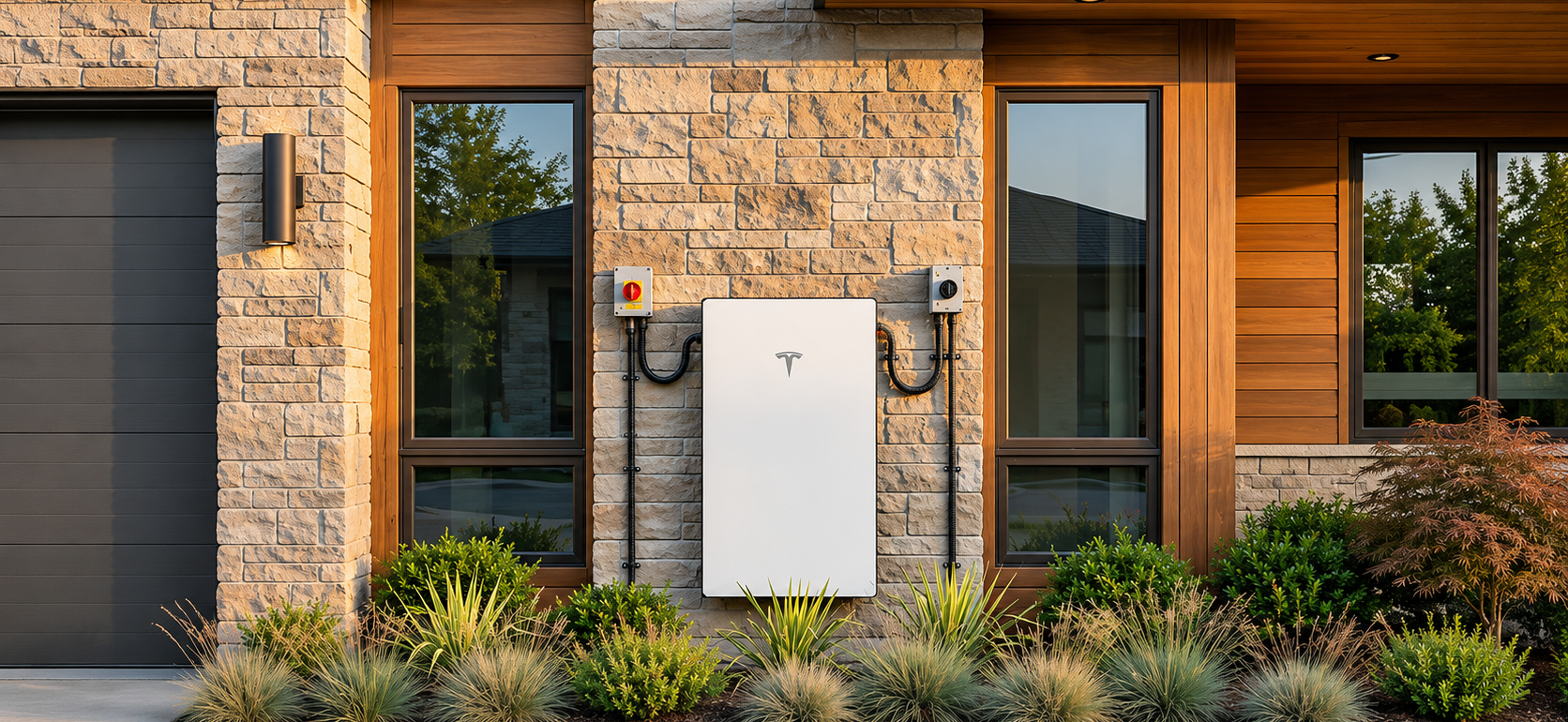
Battery storage offers a practical solution by allowing homeowners to save some of their unused solar electricity for later. This can be particularly useful for families with higher evening electricity consumption, people working from home and households planning to introduce electric vehicles or heat pumps.
How Do Solar Panels and Battery Storage Work Together?
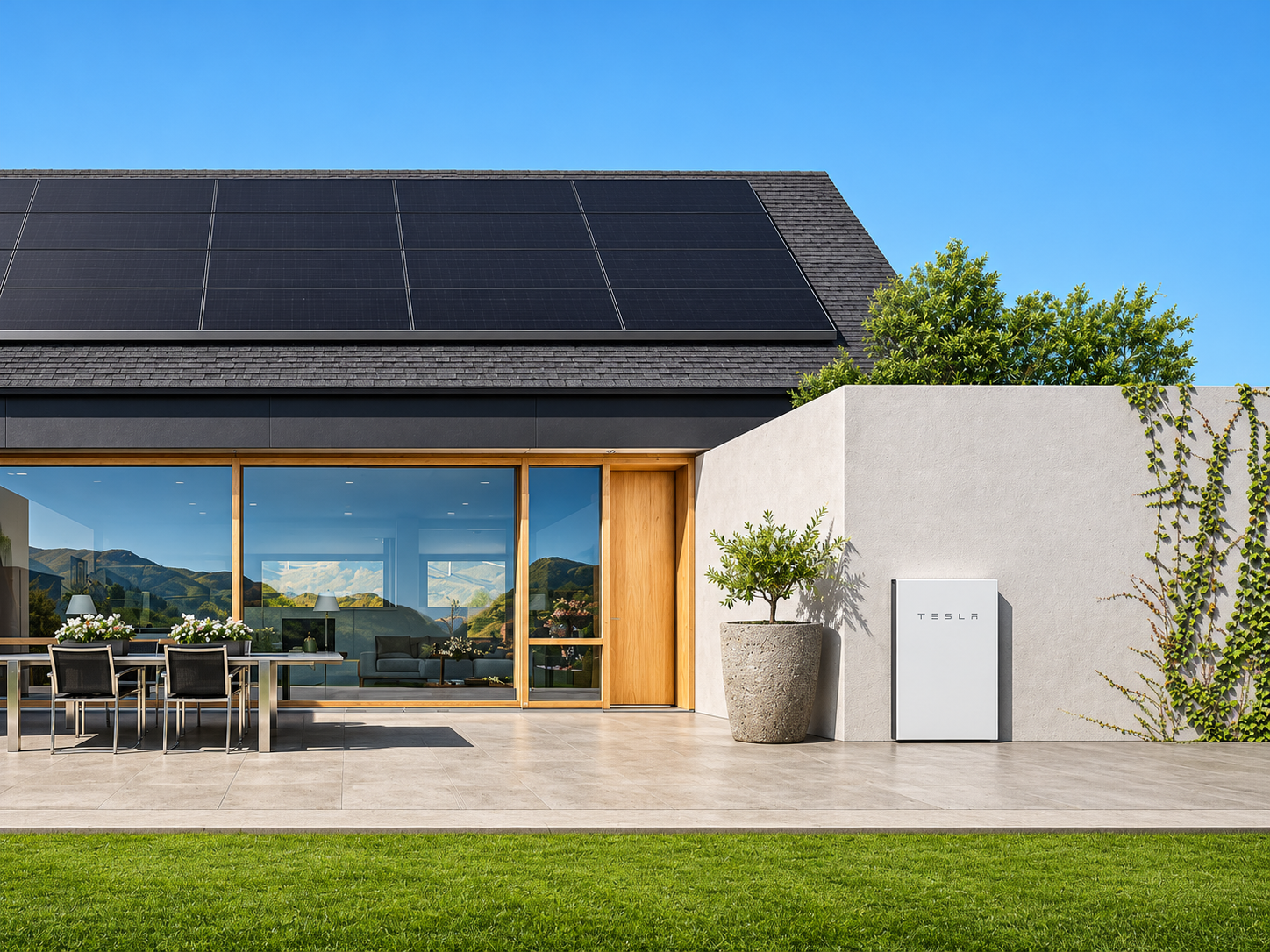
Solar panels convert daylight into electricity that can be used to power appliances and other household equipment. When the panels generate more electricity than the home is currently using, a compatible battery can store some of that surplus energy.
The stored electricity can then be used when solar generation decreases, such as during the evening or overnight. A properly designed solar and battery system can help homeowners:
- Make greater use of their own renewable electricity.
- Reduce the amount of electricity imported from the grid.
- Store surplus daytime solar generation for later.
- Monitor household electricity generation and consumption.
- Prepare for future energy technologies.
Actual results depend on the system design, battery capacity, household consumption and electricity tariff.
What Makes Solar Energy Systems Smarter in 2026?
Modern solar energy systems offer more than electricity generation. Many systems now include digital monitoring, automated battery controls and compatibility with smart electricity tariffs. These technologies make it easier for homeowners to understand how electricity moves around their property.
Intelligent Battery Management
Compatible home battery systems can be configured to store solar electricity and, where supported, charge from the grid during selected periods. Some advanced systems can also manage charging and discharging automatically according to configured schedules and electricity tariff information. This flexibility allows homeowners to make more informed decisions about when to use, store or export electricity.
Smart Electricity Tariffs
Smart time-of-use tariffs offer different electricity prices at different times of the day. A compatible battery can sometimes charge during cheaper off-peak periods, allowing stored energy to be used later when grid electricity is more expensive. The financial benefit depends on the specific tariff, charging losses, household consumption and battery performance.
Solar Monitoring Technology
Modern monitoring platforms can provide homeowners with useful information about solar generation, battery charge levels and electricity consumption. Instead of relying entirely on electricity bills to understand energy use, homeowners can follow their system’s performance and identify opportunities to use more of their generated electricity.
Can Solar Batteries Help During Cloudy UK Weather?
A common concern among British homeowners is whether solar energy remains useful during cloudy or rainy weather. Solar panels generate electricity from daylight rather than direct sunshine alone. They can continue producing energy when skies are overcast, although output is usually lower. Battery storage provides additional flexibility by holding electricity generated earlier for use when solar production is reduced.
However, a battery does not generate electricity or guarantee continuous power during extended periods of poor weather. The amount of available stored energy depends on battery capacity, previous charging and household consumption.
The Future of Smart Solar Homes in the UK
The UK is moving towards a more flexible electricity system, with increasing interest in renewable generation, home energy storage, electric vehicles and smarter energy management.
For homeowners, these technologies offer opportunities to make electricity use more efficient and gain greater visibility over household energy consumption. Solar panels and battery storage can form an important part of this transition, particularly when they are designed to work alongside the property’s existing electrical infrastructure and future energy needs.